
Does a flex PCB manufacturer offer prototyping services
flex PCB manufacturer offer prototyping services
If you have a prototype that requires flexible circuits, it’s crucial to choose the right PCB manufacturer. Your supplier should have a superior facility, advanced manufacturing equipment and professional technicality to produce high-quality flex PCBs for prototyping purposes. They should also adhere to strict industry standards and have robust test procedures. A reputable supplier should also offer fast turnaround for the manufacture of flex PCB prototypes.
Flex circuits are thin, lightweight electronic boards that can be fabricated in an unlimited range of shapes and sizes. They’re ideal for small devices, including wearable electronics and IoT (Internet of Things) sensors. In addition, flex circuits can be used to create soft and pliable electronic components in clothing, sportswear and medical devices.
These flex pcb manufacturer using a buildup process that uses copper metal on a base material, typically Rogers 4003 or FR4 polyimide. The copper is etched to expose the desired traces. Then, solder mask is applied to the bare copper and photo-imaged using an exposure system similar to the one used on rigid PCBs. The solder mask is then cured with collimated UV light.
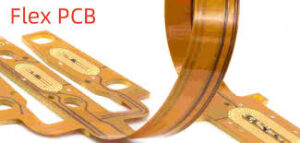
Does a flex PCB manufacturer offer prototyping services
Then, the coverlay is affixed to the bare copper with an adhesive or an adhesive-less process. This is done prior to the lamination of the core layer. This layer can be made from a variety of materials, depending on your application and your flex circuits designer’s recommendation. For example, you may want to add a thermal interface material to your flex circuit for better heat transfer, or a shielding film to protect against electromagnetic interference.
Localized additional stiffeners (if needed by the design) are aligned and tacked in place on production panels before the coverlay lamination. This is also known as a “stiffener application.” Stiffeners are made from FR4 or other rigid materials and are added to specific areas of the flex circuit to improve strength and longevity of the finished product.
Once the flex circuits are complete, they’re cut into individual parts. This is called “blanking”. The most cost-effective method for cutting flex circuits at high volumes involves a hydraulic punch and die set, requiring reasonably expensive tooling. For lower volume runs, a blade called a blanking knife is used instead.
This is a long, razor blade bent into the shape of the flex circuit outline. It is then affixed to a routed slot in a backing board, such as MDF or plywood.
A final step is to perform an electrical test on the flex circuits, which is typically performed using a net list driven system per IPC – ET-652. This test checks all the components for continuity and isolation.
Other special requests might include adding what is known as pressure-sensitive adhesives. These are adhesive tapes that are applied to the bare circuit boards to allow them to be mounted and stuck to surfaces. You might also choose to have a metallized coating added to the flex circuits for EMI protection. Finally, a few manufacturers will add something called a “stiffener” to specified areas of the flex circuits to increase their overall thickness.