
What tools are used in professional Exterior painting?
Professional Exterior painting is far more than applying color to a wall; it is a coordinated process that blends craftsmanship, planning, and specialized equipment. Contractors working on homes throughout the Pacific Northwest rely on professional-grade tools to handle changing weather, varied surfaces, and long-term durability needs. From prep to final coat, the right equipment ensures consistent coverage, proper adhesion, and a finish that protects siding, trim, and exterior features for years to come.
Core Tools That Define Professional Results
High-level Exterior painting depends on a complete toolkit designed for efficiency and surface protection. Professionals use advanced tools not commonly found in DIY projects, allowing them to work faster without sacrificing quality. These tools are selected based on surface type, building height, and environmental conditions. In regions like Portland and Seattle, where moisture is common, choosing equipment that supports thorough preparation and precise application is essential.
Surface Preparation Equipment
Every professional project begins with preparation tools that ensure paint adheres properly. Pressure washers remove dirt, mildew, and loose coatings, creating a clean base. Scrapers and sanding tools help smooth peeling areas, while caulking guns seal gaps around windows and trim. This step is critical in Exterior painting, as even premium coatings will fail without proper surface conditioning, especially on older siding or weathered wood.
Brushes, Rollers, and Precision Tools
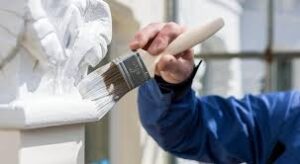
Application tools are selected for accuracy and finish quality. Angled brushes allow painters to cut clean lines around doors and windows, while high-nap rollers hold more paint for textured surfaces like stucco or cedar. Extension poles improve reach and consistency. In professional Exterior painting, these tools are chosen to match paint viscosity and surface material, ensuring smooth coverage without streaks or missed spots.
Sprayers and Advanced Application Systems
For large areas, airless paint sprayers are a staple of professional work. These machines deliver even coats quickly and are ideal for siding and fencing. Skilled painters adjust pressure and spray patterns to avoid overspray and waste. While sprayers speed up Exterior painting, they are always paired with back-rolling or brushing to push paint into pores, maximizing durability and adhesion.
Safety, Access, and Support Equipment
Professional crews also rely on safety and access tools to work efficiently at height. Ladders, scaffolding, and harness systems provide stability on multi-story homes. Drop cloths and masking materials protect landscaping and hardscapes. These tools support a smooth workflow, allowing painters to focus on quality while maintaining a safe, organized job site from start to finish.
Materials That Work With the Tools
Tools and materials must work together for long-lasting results. Professionals select primers and coatings compatible with their equipment and climate demands. Many trusted contractors, including teams associated with homze.com, emphasize durable products and proven techniques to deliver consistent outcomes. Understanding how tools interact with modern coatings like acrylic paint helps professionals adapt Exterior painting methods to different substrates and weather conditions.
In the end, successful Exterior painting is defined by the tools behind the scenes as much as the final color. From preparation equipment to advanced sprayers and safety systems, each tool plays a role in protecting homes and enhancing curb appeal. When used by experienced professionals, these tools create finishes that stand up to time, climate, and daily wear while delivering a clean, stress-free improvement experience.